
The Best Smartphones Under ₹20000: Six Top Picks Revealed for Current Sales
Sales events fill your feed with flashy deals on high-end phones. You see the iPhone 16 at 50,000 rupees or the S24 Ultra at 70,000. Pixel 9 drops to 35,000. But those prices still sting. They aren’t true budget picks. The real gems hide under 20,000 rupees. We’ve tested six phones over the course of several weeks. Each shines in its own way. One packs a 7,000 mAh battery that lasts nearly two days for just $15,000. Another brings wireless charging at 16,000. By the end, you’ll spot the right match for your needs. These deals beat the hype around flagships.
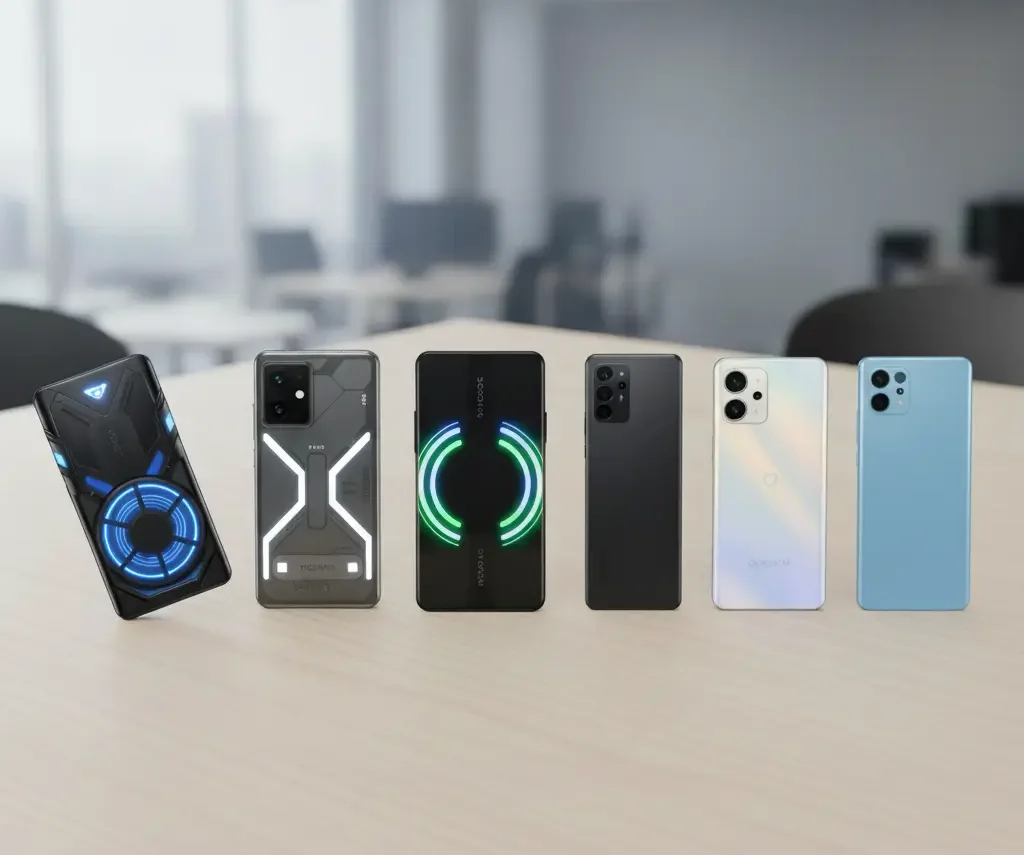
1. The Ultimate Gaming Beast Under Budget: Oppo K13
Gamers often chase power in cheap phones. But most under 20,000 handle only light stuff like BGMI. The Oppo K13 changes that. It launched at 27,999 rupees. Sales dropped to 18,999. This pick suits serious players who want more than the basics. You’ll skip the weak camera, though. It stays flat and off on skin tones.
Performance and Cooling Advantage
The Oppo K13 runs on MediaTek Dimensity 8450. It pairs with UFS 3.1 storage. Benchmarks hit 16.13 lakh on AnTuTu. That’s close to pricier rivals like Poco X7 Pro. Play BGMI at 120 FPS. Sessions of 30 to 40 minutes stay smooth. No heat buildup.
For tougher games like Wuthering Waves, set high graphics at 60 FPS. The phone warms a touch. But it holds steady. Better than other budget options. The built-in fan sets it apart. It’s the first in India with fan cooling and with an IP rating. Turn it on, and you hear the whir. Tests show a 1-2 degree drop. Small now, but it adds up in long plays. This keeps frames high without throttling.
Software Experience and Longevity
ColorOS 15 runs on Android 15. Apps open and close with fluid animations. Rare in this range. AI tools help daily tasks. Summarize articles with one tap. Proofread emails or write them fast. Fix photos by removing junk. Group shots? Perfect Shot opens eyes from other pics.
Updates come for two Android versions and three years of security. Not the longest, but on time. Battery handles mixed use. Games, videos, and scrolls last a full day. Solid for gamers who value smooth software too.
The Compromise: Camera Specifications
The 50 MP single camera disappoints. Shots look flat. Skin tones turn pale. No wide-angle lens. If photos matter more, grab the Realme P3 Ultra instead. It has Dimensity 8350 and an 8 MP ultra-wide. Better for snaps. But for gaming first, stick with Oppo K13.
2. Clean Software Meets Premium Design: Nothing Phone 3A
You might love unique looks and no clutter in apps. The Nothing Phone 3A fits that. It started at 24,999 rupees. Sales bring it near 21,999. A tad over budget, but worth it for style seekers. Cameras add value here. Software stays pure. Performance lags for heavy tasks.
Glyph Interface and Camera System
The design grabs eyes with Glyph lights. Use them as a camera flash or a timer. Practical twists on cool looks. Triple cameras include a 2x telephoto. Hardware impresses for the price. Photos land right seven out of ten times. Not perfect, but solid daylight shots. Zoom works without fuss.
Nothing OS and Functional Perks
Nothing OS skips ads and bloat. Clean from the start. Add a recorder widget to your home screen. Capture WhatsApp calls easily. Great for work chats. The UI feels bold and simple. Nothing OS 4 nears with widget builds by typing. Fun ahead. Updates promise three Android versions and six years of security. Long life for your cash.
Performance Bottleneck
Snapdragon 7s Gen 3 powers it. UFS 2.2 storage slows things down. App switches feel fine. Casual BGMI runs okay. Push harder, and stutters hit. Below average for 20,000. Best for light use. If you want cameras and clean vibes, this wins. Normal days with style.
3. Feature-Packed Flashback: Tecno Pova 7 Pro with Wireless Charging
Lights draw crowds, but Nothing costs more. The Tecno Pova 7 Pro matches that flair cheaper. At 16,999 rupees in sales, it packs extras. Think wireless charging, you rarely see it here. Design pops. Battery endures. Cameras take a back seat.
Eye-Catching Design and Illumination
The back sports a triangular Delta with LEDs. They glow for calls, alerts, and charging. Mimics screen animations when plugged in. Control patterns yourself. Show off in public. It does what Nothing does, but saves you money. Feels futuristic without the premium tag.
Unmatched Charging Capabilities at This Price
A 6,000 mAh battery powers heavy days. One full charge covers it all. The star? 30W wireless charging. Reverse it to top up earbuds or another phone. These perks hit phones over 25,000 usually. Here, half the cost. Game-changer for convenience lovers.
Software and Camera Trade-offs
HiOS 15 is based on Android 15. Clean with few ads. Ella AI summarizes PDFs. Scan math with the camera. Useful daily. The camera? 64 MP main plus 8 MP wide. Colors wash out. Skin looks too light. Fine for basics. You trade snaps for features. Smart pick if charging rules your list.
4. The Ultra-Slim Form Factor Phenomenon: Tecno Pova Slim
Slim phones trend big in 2025. Flagships like the S25 Edge or iPhone Air started it. Budget missed out until Tecno Pova Slim. Sales price 19,999 rupees. It beats those on battery size. Design steals the show. Power takes hits for thinness.
Revolutionary Thinness and Weight
Just 5.95 mm thick. Weighs 156 grams. Pick it up, and it feels wrong. So light for a big screen. I kept patting my pocket to check. Rear LED strips add premium shine. Eye-catching without bulk.
Display and Battery Balance
6.78-inch screen at 144 Hz. Colors pop sharply. Scrolling feels great. Dolby Atmos speakers boost videos. Refresh rate caps at 120 Hz in tests. Still smooth. A 5,160 mAh battery fits inside. Lasts a day easily. 45W charging refills quickly. Slim but capable.
Performance vs. Form Factor Justification
MediaTek Dimensity 6400 drives it. AnTuTu scores 5.71 lakh. Fits 12,000 to 15,000 phones. Daily tasks and light games work. Social media multitasks fine. Heavy loads stutter. Camera? 50 MP main with OIS. Daylight is okay, but it tones off. Form wins over speed. Grab it if thin and light excites you.
5. The Trusted Ecosystem Choice: Samsung Galaxy M56
Samsung fans want reliability. Galaxy M56 delivers at 22,399 rupees, down from 24,999. Build feels premium. Software lasts long. Gaming stumbles. No fancy AI here.
Premium Build and Durability Upgrade
Vertical camera island nods to old Notes. Glass back upgrades from plastic. Gorilla Glass Victus+ shields front and back. Light at 180 grams for 5,000 mAh. Holds well in hand.
One UI 7 and Software Commitment
One UI 7 on Android 15 looks fresh. Split notifications and quick settings shine. Now the bar shows music or timers. Good Lock lets you tweak. Speed up animations. Rain effects for alerts. Customize deep. Samsung Wallet stores cards and IDs. Tap to pay easily. Six years of OS and security updates. Huge for mid-range.
Performance and Feature Gaps
Exynos 1480 scores 7.18 lakh on AnTuTu. Matches Snapdragon 7s Gen 3. App switch is smooth. Split screen, no sweat. BGMI hits 60 FPS on smooth. Lags behind 90 FPS rivals. No Galaxy AI like erasers. Battery lasts light to medium days. 45W charging beats flagships. Pick for Samsung trust and updates.
Conclusion: Matching Your Priority to the Best Smartphones Under ₹20000
These six stand out in sales. Each fits a need without empty promises. Here’s how to choose:
- Gaming power? Oppo K13 with fan cooling.
- Clean design and cameras? Nothing Phone 3A.
- Wireless charging and lights? Tecno Pova 7 Pro.
- Slim and light feel? Tecno Pova Slim.
- Battery endurance? Tecno Pova 7 Pro edges it.
- Samsung ecosystem? Galaxy M56 for long support.
Prices hover under or near 20,000. Check current deals fast. They shift quickly. Share your pick in the comments. Tell us how it performs. Your tips help others. Build the best budget guide together.
My spouse and i have been absolutely satisfied that Ervin could finish up his basic research from your precious recommendations he made through the web pages. It’s not at all simplistic to simply always be offering secrets that the others may have been making money from. We do understand we have got the blog owner to thank for that. Those illustrations you have made, the straightforward site menu, the friendships you can make it easier to instill – it’s got most overwhelming, and it’s really aiding our son in addition to our family know that the subject matter is thrilling, and that’s wonderfully indispensable. Thanks for the whole thing!
Big ups to jilihotasia! If you’re looking for variety, they seem to have lots of Asian-themed games. I liked it and am looking forward to earning some real money playing there! See for yourself
Hello folks!
I came across a 155 great site that I think you should browse.
This site is packed with a lot of useful information that you might find interesting.
And do not overlook, everyone, — a person always can in the article find answers to address your the very tangled queries. The authors tried — lay out all information using the most extremely accessible method.